

TrackMan versus Foresight: Which Fits Your Game?
A launch monitor should not become another screen full of numbers you glance at and ignore. The real question in TrackMan versus Foresight is simpler: which system gives you feedback you trust enough to make a better swing, verify the change, and take it to the course?
Both are elite-grade platforms. Both can measure the golf ball with remarkable precision, support serious coaching, and turn an indoor session into purposeful practice. But they use different measurement methods, excel in different setups, and create slightly different training experiences. The right choice depends on how you practice, what you need to measure, and whether your priority is a complete performance environment or a dedicated hitting bay.
TrackMan Versus Foresight: The Core Difference
TrackMan is primarily a radar-based system. Its radar tracks the ball through flight and measures club delivery, making it especially powerful outdoors, where it can observe a full ball flight rather than estimate its final result from a short window. Modern TrackMan systems also use cameras to enhance club and impact data.
Foresight uses high-speed camera technology. Its camera-based launch monitors capture the ball immediately after impact, calculating ball behavior from detailed images of the first part of flight. Models such as the GCQuad are built around a portable, camera-based format, while overhead systems can create a permanent indoor simulator setup.
Neither method is automatically better. Radar and cameras are different ways to answer the same question: what did your club do, what did the ball do, and what should change next?
For golfers who spend meaningful time practicing outdoors, TrackMan's ability to watch the actual ball travel is a major advantage. For golfers working in tight indoor spaces, Foresight's camera-based capture can be exceptionally practical because it requires very little ball flight to produce reliable numbers.
The equipment matters. Your practice process matters more.
What Each System Measures Best
Every serious golfer knows that carry distance alone does not produce lower scores. Better decisions come from understanding the relationship between delivery, strike, launch, spin, and curvature.
TrackMan is widely known for measurements such as club speed, ball speed, smash factor, attack angle, club path, face angle, dynamic loft, launch angle, spin rate, carry distance, landing angle, and shot dispersion. Its radar-based tracking gives golfers a strong picture of ball flight behavior, including how a shot curves and how it lands. That is invaluable when you are dialing in a driver, learning to control trajectory, or building a dependable distance matrix for your wedges.
Foresight also provides extensive ball and club data, depending on the model and add-ons. It is particularly respected for capturing the impact window with high-speed cameras. In an indoor bay, that direct ball capture can make it a compelling option for golfers who want accurate launch and spin numbers from every swing without needing a large amount of ball travel.
The difference is often less about whether one system can provide a number and more about how confidently it fits the shot you are trying to improve. A player chasing driver consistency may value a complete view of flight and dispersion. A player refining center strike, launch, and spin indoors may prefer the immediate precision of a camera-based unit.
The data only works when you know what to do with it
A launch monitor can expose a problem quickly. It cannot, by itself, tell you whether that problem comes from your movement pattern, setup, physical limitation, equipment, or decision-making.
For example, a driver that launches too low with excessive spin may be caused by a downward attack angle, a face strike low on the clubface, a shaft or loft issue, or several factors working together. Chasing one number without context often creates a new issue somewhere else.
That is why the strongest practice environments pair launch data with coaching and movement analysis. At Ethos Golf, TrackMan feedback can sit alongside Sportsbox 3D swing analysis, PGA coaching, putting training, and golf fitness work. The objective is not to collect data. It is to create a repeatable improvement plan.
Indoor Practice: Space Changes the Decision
For most golfers evaluating a simulator or private practice facility, the indoor experience will carry the most weight. Weather does not matter. Daylight does not matter. A productive session can happen before work, after dinner, or between meetings.
Foresight has earned a strong reputation indoors because its camera technology reads the ball at impact. You do not need a long ball flight for useful results. This makes it a natural fit for compact bays, home installations, and indoor simulator rooms where every foot of space matters.
TrackMan can also perform exceptionally well indoors, particularly in a properly designed studio with sufficient ball flight and carefully calibrated equipment. But its ideal setup deserves more attention. Radar needs a clear line to the ball and enough room behind and in front of the hitting area to track effectively. A facility designed around TrackMan accounts for those requirements from the beginning.
For the committed player, the better question is not, “Can this work indoors?” Both can. Ask instead, “Will this space let me practice exactly how I need to practice?”
If your training includes simulated rounds, structured combines, gapping sessions, shot-shape drills, and full-swing work, a well-built TrackMan studio creates a complete performance setting. If you need a compact, dedicated hitting environment with reliable impact-based feedback, Foresight may be the more efficient fit.
Virtual Golf and Practice Motivation
Data drives improvement, but engagement drives repetition. If practice feels like punishment, even the best technology will collect dust.
TrackMan Virtual Golf is a major draw for players who want practice and play in the same session. You can work through a driver dispersion drill, test a new stock shot, then play a virtual round and see whether that shot holds up when a narrow fairway or tucked pin creates pressure. With a large course library, virtual golf can turn a solo practice session into meaningful competition or a focused on-course test.
Foresight's simulator software is also highly regarded, with realistic visuals, course play, skills challenges, and a strong home-simulator following. Its appeal is especially clear for golfers who want a premium simulator experience built around their preferred Foresight hardware.
There is no universal winner here. TrackMan tends to stand out for golfers who want launch-monitor training, course simulation, and performance testing within one familiar ecosystem. Foresight is a serious contender for golfers who prioritize camera-based measurement and polished indoor simulation.
Do not choose based on graphics alone. Choose the platform that will make you show up consistently and practice with intention.
Which Launch Monitor Fits Your Priorities?
Choose TrackMan when you want to understand full ball flight, build a complete gapping system, train with radar-derived club and ball data, and move naturally between practice modes and virtual golf. It is especially compelling in a professionally designed indoor studio or outdoors, where the system can do what it was built to do.
Choose Foresight when your setup has limited space, you value camera-based capture at impact, or you want a portable unit such as the GCQuad that can move from an indoor bay to an outdoor range. It is a proven choice for golfers who want high-level feedback without designing their entire space around radar requirements.
Budget can influence the decision as well, but comparing sticker prices alone misses the point. A lower-cost setup that you rarely use is expensive. A premium system that gives you private access, clear feedback, coaching support, and a disciplined weekly routine can become the engine behind measurable on-course gains.
Stop Comparing Numbers Without a Plan
TrackMan and Foresight are both capable of giving serious golfers information that once belonged mostly to tour players and elite fitters. The more meaningful difference is what happens after the screen shows you the result.
Use launch data to establish a baseline. Know your carry distances, typical miss pattern, launch window, spin range, and face-to-path relationship. Then work on one priority at a time. Recheck the numbers after each change. Test the new pattern under simulated on-course pressure rather than trusting a handful of perfect range swings.
That is how technology becomes performance. Find the system that fits your environment, then build the routine that gives every number a purpose.


How to Read Putting Greens With More Confidence
A putt can look straight from behind the ball and still miss by a full cup. That is rarely a stroke problem alone. Learning how to read putting greens means replacing a quick glance and a hopeful roll with a disciplined process: identify the slope, judge the speed, select a start line, and commit.
Great putters do not magically see every break. They gather better information before the stroke. The goal is not to find a perfect read on every green. It is to make a confident, repeatable decision that gives your start line and speed a chance to work.
Start With the Big Picture, Not the Ball
Most golfers begin their read standing directly behind the ball. That view matters, but it is not the first view that matters. Before narrowing your focus to the final six feet, study the overall shape of the green and the terrain around it.
Walk onto the green with your eyes up. Look for high points, low points, false fronts, tiers, swales, and runoff areas. Water features, bunkers, and drainage locations can offer clues, but they are not rules. A green may be built to drain toward a bunker, yet a subtle internal ridge can still control your putt.
Ask one simple question: where would water settle if this green were flooded? That is usually the low side. From there, work backward to understand how your ball will move between its starting point and the hole.
This broader read is especially valuable on long putts. A 30-foot putt may cross more than one slope, which means the break near the hole is not the only break that counts. If the ball travels over a ridge or through a saddle, its direction and speed can change dramatically.
Read the Putt From Multiple Angles
Behind-the-ball reads are familiar because they reveal the intended starting line. But one angle can hide the slope that matters most. Walk to the low side of the line, then look from behind the hole back toward the ball. Each perspective gives you different information.
From the low side, your eyes are better positioned to see whether the ball will fall toward you. From behind the hole, you can assess the final approach, where speed is lowest and break becomes more influential. A putt that appears to break left for most of its journey may still need to enter the cup from the right.
Use your feet as well as your eyes. Walk slowly across the expected line and pay attention to pressure in each foot. If one foot consistently feels lower, you have confirmation of the direction of slope. This is not an exact measurement, but it is often more useful than staring at a nearly flat surface until you talk yourself out of the obvious read.
Avoid circling every putt until you create four competing opinions. A strong routine is efficient: inspect the overall green, view the putt from behind the ball, confirm it from the low side or behind the hole, then make a decision.
Find the Fall Line Around the Cup
The fall line is the straight uphill-downhill line through the hole. It is one of the most valuable references on the green because it helps you understand which side of the cup is high and which side is low.
Stand a few feet below the hole and look uphill. That is the basic fall line. Now relate your ball position to it. If your ball sits well to the side of that line, expect a larger breaking putt. If it sits close to the line, the putt may be more uphill or downhill than sidehill.
The closer a ball gets to the hole, the more the fall line influences its path. This is why players often miss the read late. They see the first half of the putt clearly, but underestimate how much a slowing ball will move near the cup.
Speed Determines the Amount of Break
Slope tells you which way a ball wants to move. Speed determines how long it has to move that way. You cannot read break accurately without choosing a pace.
A firm putt takes less break because it spends less time reacting to gravity. A dying putt takes more break because it arrives with very little momentum. Neither is automatically correct. The better choice depends on green speed, the severity of the slope, the danger past the hole, and your ability to control distance.
On a fast downhill putt, trying to take all the break out by hitting it hard is rarely a high-percentage play. The ball may race past the hole, and the return putt can be worse. On a slow, uphill putt with little trouble behind the cup, a more assertive pace can simplify the line.
Choose your intended delivery speed before you finalize the target. A useful standard for many putts is a ball that would roll roughly 12 to 18 inches past the hole if it missed. That is not a law. On severe downhill slopes, the correct leave may be much shorter. On slow greens or uphill putts, a slightly firmer pace can be appropriate.
Separate Start Line From the Full Path
A breaking putt does not begin on the same line where it enters the hole. That distinction sounds simple, yet many misses happen because golfers aim at the cup rather than selecting a precise start line.
Once you have chosen the break and pace, identify a spot a foot or two in front of the ball that sits on your intended starting line. It might be a discoloration in the grass, the edge of an old cup mark, or a tiny blade of grass. This near target makes the task immediate: start the ball over that spot with the face square to your chosen line.
Do not try to steer the ball along a curved path. Your putter sends the ball on a straight initial line. Gravity and slope create the curve afterward. Set the face to the start line, make your normal stroke, and let the read do its job.
This is also why indecision is so costly. If you stand over the ball still debating whether the putt is outside left or left edge, your stroke often becomes tentative. Make the read before you address the ball. At address, your only job is execution.
Factor in Grain, Wind, and Green Conditions
On many North Texas courses, changing conditions can alter a read as much as the visible slope. Grain matters most on certain grass types and can influence both speed and break. Putts generally move faster in the direction the grass grows and slower into the grain. A shiny appearance often indicates the grain is running away from you, while a darker appearance can suggest you are putting into it.
Grain can also exaggerate the direction of break, particularly on slow or grainy surfaces. Treat it as a secondary influence, not a reason to ignore slope. If the terrain says right-to-left but the grain appears to run left-to-right, the slope usually wins. The grain may simply reduce the amount of break.
Moisture, afternoon heat, recent mowing, and foot traffic all affect pace. Wind can matter on exposed greens, especially on long, slow putts, but it is usually less significant than slope and speed. Good green reading is contextual. The same six-footer can require a different decision at 8 a.m. than it does late in the day.
Build a Routine You Can Trust Under Pressure
The best green-reading routine is short enough to use when a match is tight and reliable enough to use on an ordinary Tuesday round. Keep it consistent.
First, assess the green's overall contour as you approach. Second, see the putt from behind the ball and identify the high side. Third, confirm the slope from the low side or behind the hole. Fourth, choose your pace and exact start line. Finally, address the ball with the decision made.
The trade-off is clear: more information can improve a read, but over-reading can dilute your commitment. On a two-foot putt, you may only need a quick slope check and a positive stroke. On a 40-foot lag putt across a tier, spending additional time mapping the route is worth it because the cost of a poor first putt is higher.
Practice Green Reading With Feedback
Reading greens improves faster when practice includes verification. Do not merely hit putts until one goes in. Pick a putt, state the intended break and pace, then watch what the ball actually does. Did it start on line? Did it break more than expected? Did it lose speed early because you misjudged the surface?
At Ethos Golf, PuttView training gives committed players a way to connect what they see with measurable feedback on line, pace, and stroke delivery. That matters because a missed putt can come from a bad read, a poor start line, or inconsistent speed. Without separating those variables, golfers often change the wrong thing.
Create practice situations that force better decisions. Hit putts from different sides of the same hole. Practice uphill, downhill, and sidehill putts from the same distance. Then vary the pace intentionally and observe how the break changes. You are training your eyes to recognize cause and effect, not memorizing a single line.
The next time a putt looks almost straight, resist the urge to call it a guess. Take a wider look, feel the slope, choose the speed, and commit to a start line. Better putting begins when your read becomes a decision you can trust.
Private Practice Studio vs Range: What Wins?
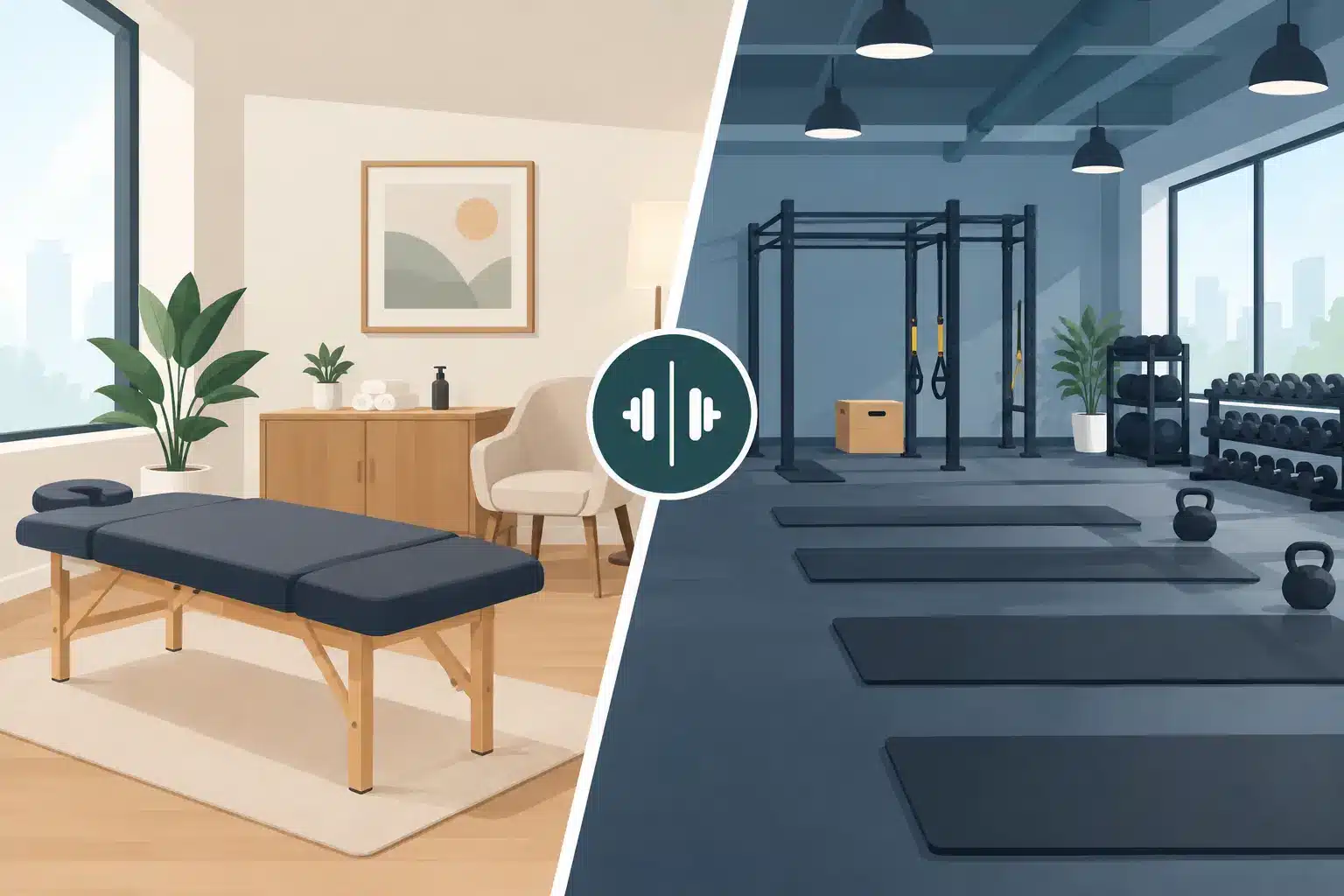
A bucket of balls can feel productive even when it changes nothing. You strike a few clean, watch a few curve, make one swing adjustment, then leave without knowing whether the change will hold on the first tee. That is the central difference in the private practice studio vs range decision: one gives you space to hit balls, while the other is designed to give each practice session a job.
For committed golfers in Frisco and Allen, the question is not whether a driving range has value. It does. The better question is whether it provides the environment, feedback, and consistency required to produce measurable on-course improvement. If your goal is to stop guessing and start measuring, the answer depends on how seriously you approach your game.
Private Practice Studio vs Range: The Real Difference
A traditional range is built for access and volume. You buy balls, find an open bay, pick a target, and hit. That can be useful for warming up, working through a simple feel, or enjoying an afternoon outside. But most ranges leave the golfer responsible for every part of the process: deciding what to practice, judging ball flight, interpreting contact, and determining whether a swing change is actually helping.
A private practice studio is built around intentional repetition. Rather than hoping your eyes can diagnose a pattern from a handful of shots, you can see club delivery, face behavior, ball data, movement patterns, and putting results in a controlled setting. The point is not technology for technology’s sake. The point is shortening the distance between a problem, a clear diagnosis, and a repeatable solution.
That distinction matters when your miss costs you strokes. If you tend to block the driver, pull short irons, or leave too many putts short, hitting more balls alone may reinforce the same pattern. Better practice starts by finding the number or movement that explains the miss.
What a Range Does Well
Ranges remain valuable because they are simple. You can see full ball flight outdoors, test a club you have not hit in a while, and get loose before a round. For golfers who play occasionally and want a low-commitment place to swing, that may be enough.
Outdoor practice can also teach useful visual skills. Watching a shot start, curve, land, and react in real conditions helps golfers connect their intention to the result. Wind, turf, uneven lies, and changing targets are part of the game, and no indoor environment replaces every outdoor variable.
The trade-off is inconsistency. A crowded range may limit where you can stand and how long you can focus. Weather can cancel the session entirely. Mats can disguise poor strike quality, and distance markers rarely tell you exactly what your carry numbers are. Most importantly, the range does not automatically turn activity into a practice plan.
If you arrive with a specific drill from a coach and a clear objective, a range can support good work. If you arrive hoping to figure it out as you go, it often becomes expensive trial and error.
Why Privacy Changes the Quality of Practice
Serious practice requires attention. That is difficult when the bay beside you is loud, the range is packed, and you are rushing through a bucket before the lights go off. Many golfers also avoid rehearsing a new motion in public because it feels awkward before it feels natural.
Private access changes the equation. You can move through a warmup, take video, make slower rehearsals, hit structured shot sets, and review results without competing for space or time. There is no pressure to make every swing look good. There is room to do the work that leads to better swings later.
For busy professionals, 24/7 access is more than a premium perk. It makes consistency possible. A 45-minute session at 6:30 a.m. or after a late meeting can be enough when the facility is ready for you. Progress usually comes from frequent, focused exposure to the right task, not from one marathon practice session every other weekend.
Measurement Makes Practice Honest
Feel matters in golf. But feel is personal, and it can be misleading. A swing that feels like a major change may produce almost no measurable difference. A small setup adjustment may create the ball-flight change you have been chasing for months.
This is where a studio environment earns its place. TrackMan can establish carry distance, dispersion, launch, spin, face-to-path relationship, and other ball-flight metrics that affect scoring. Instead of saying your 7-iron felt good, you can see whether it carried your intended yardage and how tightly your shots grouped around the target.
Sportsbox 3D analysis adds another layer. Ball data tells you what happened. Three-dimensional movement data can help explain why it happened. That is especially useful when a golfer has a recurring pattern that does not respond to quick fixes. You can identify movement tendencies, build a more precise coaching plan, and track whether the change is becoming more repeatable.
Putting deserves the same level of honesty. Too many players spend time rolling putts toward a hole without knowing whether their start line, pace, and read are improving. A system such as PuttView creates purposeful putting tasks with visual feedback. You are no longer just making or missing. You are training a line, a speed window, and a decision process that can travel to the course.
The Complete-Game Advantage
The range centers on full swings because that is what it is built to accommodate. But your score is not created only with the driver and 7-iron. Putting, wedges, decision-making, physical capacity, and confidence all show up on the scorecard.
A complete practice environment lets golfers connect those pieces. You might use a studio session to calibrate carry distances, spend time on a putting drill that exposes a consistent miss, then work through a golf fitness routine that supports the movement your coach is asking for. Each component has a purpose, and each supports the others.
That does not mean every session needs to cover the whole game. In fact, trying to work on everything at once is one of the fastest ways to improve nothing. The advantage is having the right tools available when the plan calls for them. One day may be driver dispersion. The next may be speed control from 20 to 40 feet. Your practice can follow what your game actually needs.
When the Range Is Still the Right Choice
There are times when an outdoor range is the better fit. Before a round, you may simply need to see ball flight and loosen up. If you are practicing a specific trajectory in the wind or preparing for an event on firm turf, outdoor feedback is valuable. And if your schedule or budget does not support a dedicated membership, a range provides a practical way to keep swinging.
The mistake is treating these options as identical. A range is a useful venue. A private studio is a performance system. One is primarily a place to practice; the other can become the structure behind how you improve.
The best golfers often use both with different intentions. They use a studio to establish numbers, develop motion, train putting, and build a repeatable routine. They use the range and course to test those skills in changing outdoor conditions. The studio creates clarity. The course confirms whether that clarity holds under pressure.
Choose the Environment That Matches Your Goal
Ask yourself what happens after a bad session. At a typical range, do you know why the ball was curving, whether your contact changed, and what you should do next? Or do you leave with three new swing thoughts and no way to separate a real adjustment from a temporary good shot?
Golfers who want casual recreation may be perfectly served by a range. Golfers who want to lower scores, earn more confidence off the tee, sharpen their putting, and make their practice time count need more than access to balls. They need feedback, privacy, a plan, and enough repetition to make progress visible.
At Ethos Golf, the standard is simple: every session should move your game forward. A free swing assessment or private facility tour can show you where your current practice routine is helping and where it is leaving strokes on the table. Bring a clear goal, get honest information, and give your next practice session a purpose.

Golf Practice Facility Reviews That Matter
A hitting bay can look impressive and still do very little for your score. When reading golf practice facility reviews, look past polished photos, simulator counts, and broad claims about improvement. The better question is simple: will this place help you practice with enough consistency, feedback, and purpose to perform differently when the round matters?
For serious golfers in Frisco and Allen, a practice facility is not just a place to hit balls after work. It is where swing changes become repeatable, putting becomes measurable, and fitness supports the positions you need on the course. The right facility earns its membership cost by making productive practice easier to maintain than random practice.
What Golf Practice Facility Reviews Should Measure
The strongest reviews explain the member experience, not just the equipment list. A TrackMan, putting system, or 3D studio is only valuable when it is available at the moment you need it and used within a plan that fits your game.
Start with access. A conventional range may be convenient on a quiet weekday afternoon, then crowded when your schedule finally opens up. Public facilities also introduce weather, limited ball flight visibility, inconsistent turf conditions, and the familiar rush to finish before closing. If your practice window is 9 p.m., 5 a.m., or between meetings, those restrictions are not minor inconveniences. They decide whether practice happens at all.
Private, 24/7 access changes the equation. It gives you the time and space to work without waiting for a bay, competing for a putting green, or feeling pressured to hit a bucket quickly. For many professionals and competitive amateurs, that privacy is not a luxury. It is what makes a disciplined routine possible.
Reviews should also reveal whether a facility supports the full game. Distance is useful. Better contact is useful. Neither automatically fixes the three-putt from 18 feet or the missed approach caused by poor face control. A complete environment needs room to measure the full swing, train putting with real feedback, build golf-specific movement, and test performance under realistic conditions.
Technology Is Only Useful When It Answers a Question
Premium facilities often lead with technology, and they should. The difference is whether the technology produces clarity or simply produces more numbers.
TrackMan can show how club delivery, strike, launch, spin, and ball flight relate to each other. That matters when you are trying to understand why a drive starts right, why a wedge is flying too far, or why your carry distance changes from session to session. But the best use of launch monitor data is not chasing a perfect screen number. It is finding your playable pattern and making better decisions around it.
Three-dimensional swing analysis adds another level of precision. Video can show that your swing looks different. A system such as Sportsbox 3D can help identify how your body is actually moving through the swing, including the sequencing and positions that may be limiting speed, consistency, or strike quality. That gives coaching a measurable starting point instead of relying on feel alone.
Putting requires the same level of honesty. Most golfers know whether a putt went in, but they do not know whether they started it on line, delivered the face consistently, or controlled pace well enough to make more from the same distance. A PuttView training environment makes the intended line and target visible. Used correctly, it turns putting practice from repetitive guessing into feedback you can act on.
When comparing reviews, look for specific examples of what members learned and how they used it. “Great technology” is not enough. Better indicators include comments about dialing in gapping, improving start line, tracking a swing change over time, or preparing for a tournament with reliable baseline numbers.
Coaching Separates Information From Improvement
Data without interpretation can make golfers worse. A player sees six metrics, changes three things, hits a few good shots, then leaves with no idea which adjustment actually helped. That cycle creates activity, not progress.
Elite PGA coaching brings structure to the process. A coach can identify the one priority most likely to improve your current ball flight, explain which numbers matter now, and prevent you from chasing a fix that does not match your physical capabilities or scoring goals. The right coach also knows when not to make a major change before an important round.
This is where reviews become especially revealing. Look for language that describes an ongoing relationship rather than a one-time lesson. Strong facilities help golfers establish a baseline, practice between sessions, revisit the data, and adjust as performance changes. You should leave with a clear assignment, not a collection of swing thoughts.
There is a trade-off here. A highly independent golfer may want unlimited access with minimal instruction. A player rebuilding a swing may need more regular coaching. The ideal membership should support both, allowing you to use the facility privately while making expert guidance available when the next decision requires more than your own interpretation.
A Better Practice Routine Has a Purpose
The value of a facility is ultimately measured by how it changes your behavior. If you only visit when you are frustrated after a bad round, even the best technology becomes reactive. A productive membership creates a repeatable routine.
A focused session does not need to last three hours. In fact, many golfers improve faster with shorter, intentional sessions. You may spend 20 minutes checking face-to-path tendencies with a mid-iron, 15 minutes on a putting start-line drill, and another 20 minutes rehearsing a movement pattern assigned by your coach. The goal is not exhaustion. The goal is useful repetition with immediate feedback.
Virtual golf can also have a real role in development. Playing different courses on a simulator is not a substitute for playing outside, where lies, wind, and course conditions demand their own skills. But it is valuable for practicing target selection, pressure situations, club choice, and commitment to a shot shape. It also keeps practice engaging when you need to test your game rather than isolate a movement.
The best reviews often mention consistency. Members notice they practice more because the facility is available, private, and ready when they arrive. That consistency compounds. A reliable 45-minute session three times a week will usually outperform an occasional marathon range visit with no plan.
Questions to Ask Before You Join
A facility tour should give you more than a look at the equipment. It should help you decide whether the environment matches the way you want to improve. Ask how often you can realistically access the space, whether bays or training areas are private, and how the facility manages availability during high-demand hours.
Ask how baseline assessments work. You want to know what will be measured, how results will be explained, and how your plan will be revisited. A free swing assessment can be valuable if it gives you an honest starting point rather than a generic sales conversation.
Also ask whether putting, fitness, full-swing training, and virtual golf are integrated into one membership experience or treated as separate add-ons. Fragmented training can work, but it requires more scheduling and more effort from you. A complete-game environment is often more efficient for golfers who want all of their work connected.
Finally, pay attention to the culture. If your goal is lower scores and greater confidence, you need a setting built for golfers who take improvement seriously. That does not mean every session must feel intense. It means the facility respects your time, provides objective feedback, and gives you the room to work without distraction.
The Standard for a Premium Practice Facility
A premium indoor golf facility should not be judged by how many screens it has. It should be judged by whether you can show up consistently, identify what is holding your game back, train the right skill, and carry that improvement onto the course.
Ethos Golf is built around that standard: private access, complete-game technology, elite coaching, and a performance-minded environment for golfers ready to stop guessing and start measuring. Before you commit anywhere, take the tour, ask for your numbers, and choose the facility that makes your next practice session impossible to waste.

How to Improve Golf Consistency Under Pressure
A great round rarely disappears because you suddenly forgot how to swing. It disappears because one poor shot becomes three, a missed six-footer changes your pace, or a different thought shows up on every tee. If you want to know how to improve golf consistency, stop treating consistency as a feeling. Treat it as a system you can measure, train, and trust.
Consistency is not hitting every shot perfectly. Even elite players miss greens, find bunkers, and face uncomfortable putts. The difference is that their misses are more predictable, their decisions are more disciplined, and their response to a bad swing is controlled. That is the standard serious golfers should train toward.
How to Improve Golf Consistency Starts With a Baseline
Most golfers practice around a problem without first defining it. They hit balls until something feels better, then hope that feeling survives the first tee. That approach is entertaining, but it leaves too much to chance.
Start by finding your numbers. Track your common miss with the driver, approach clubs, wedges, and putter. Is your driver starting right and staying right? Are your seven-irons flying 10 yards short when contact slips? Do you leave most putts short from eight feet? Specific answers create specific practice.
A launch monitor can show whether a shot pattern comes from face angle, club path, strike location, attack angle, or speed. Three-dimensional swing measurement adds another layer by identifying how your body moves to create that pattern. The goal is not to chase a picture-perfect swing. The goal is to understand which movement produces your best repeatable ball flight.
Your baseline should also include on-course information. After several rounds, look for patterns in penalties, three-putts, missed greens inside scoring range, and bogeys that follow poor decisions. A golfer who loses two balls a round has a different consistency problem than a golfer who hits 12 greens but cannot convert opportunities.
Build One Reliable Shot Pattern
Trying to own five different swing thoughts is one of the fastest ways to become inconsistent. Your swing can have complexity, but your playing thought should be simple. It might be a fuller turn, better pressure into the lead side, or a committed finish. The right cue depends on your movement pattern and should be confirmed by a qualified coach and objective feedback.
A reliable pattern also means choosing a stock shot. Know the shape you trust when the fairway narrows or the pin is tucked. For many golfers, that is a controlled fade or a small draw. The shot itself matters less than your ability to start it on a predictable line and understand its curve.
There is a trade-off here. A stock shot may not always maximize distance, and it may not be the ideal shape for every hole. But a ball in play with a dependable yardage is far more valuable than the occasional perfect swing followed by a penalty stroke. Consistency rewards restraint.
Practice With Purpose, Not Volume
Beating balls is not the same as training. A productive session has a target, a constraint, and a way to judge the result. If you are working on driver accuracy, do not simply hit 30 drivers down the middle of an open simulator screen. Create a fairway width, select a target, and record how many shots finish within your intended corridor.
Use block practice when you are making a technical change. Repeating the same club and drill helps establish a new movement. Then shift to random practice, where you change clubs, targets, and shot demands between swings. Random practice better reflects golf because the course never gives you the same shot twice.
A focused 45-minute session can outperform two hours of unfocused range time. Divide that session between a priority skill, a scoring skill, and a performance test. For example, work on face control with mid-irons, practice wedge distance windows, then finish by playing six demanding virtual holes with consequences for missed targets.
This is where private, 24/7 access changes the equation. When practice does not depend on weather, range availability, or a crowded hitting bay, you can build a routine that fits before work, after work, or between meetings. At Ethos Golf, the objective is not more practice for its own sake. It is measurable practice that carries into real rounds.
Train Your Wedges and Putting Like Scoring Tools
Golf consistency is often won from 120 yards and in. Long drives are satisfying, but predictable wedge distances and dependable pace control lower scores more quickly for many players.
Build a wedge matrix. Identify your carry numbers for partial and full swings with each scoring wedge. You do not need a dozen swing lengths. Three repeatable options per club can give you enough coverage to attack more greens with confidence. Measure carry distance first, because rollout changes with turf, wind, and green firmness.
On the putting green, separate start line from speed. A putt can be read correctly and still miss because it started off line. It can start perfectly and still finish short because speed was poor. Putting technology that projects intended line and provides immediate feedback can make this distinction clear in minutes.
For distance control, practice putts to a finishing zone rather than only trying to make everything. From 20 to 40 feet, the goal is not perfection. It is leaving a stress-free second putt. For makeable putts, create pressure by tracking a score. Hit 10 putts from six feet and require a number that challenges you without making success unrealistic.
Make Your Pre-Shot Routine Non-Negotiable
Your routine is the bridge between the practice bay and the golf course. Without it, every important shot invites a new decision process, a new swing thought, and a new emotional reaction.
Keep the routine brief enough to use when playing partners are waiting. First, assess the lie, number, wind, trouble, and target. Make the decision behind the ball. Then step in, take one look at the target, settle into your setup, and swing with commitment. Once you address the ball, analysis is over.
The key is to use the same structure on the range. If your practice swing looks different, your target is vague, and you hit the next ball immediately, you are rehearsing behavior that will not hold up under pressure. Every rep should begin with intention.
Consistency also requires a reset routine after poor shots. Accept the result, identify the next task, and move on. Do not conduct a swing lesson while walking down the fairway. You can review the pattern later with data and coaching. On the course, your job is to hit the next shot.
Improve Golf Consistency by Managing Your Body
A repeatable swing requires a body capable of repeating it. Limited hip rotation, poor thoracic mobility, weak glutes, unstable balance, and fatigue can all change how the club arrives at impact. If your mechanics look sound early in the round but fall apart late, physical preparation may be part of the answer.
Golf fitness should support your personal swing, not force you into generic exercises. Prioritize mobility where you lack usable range, strength where you lose posture or speed, and balance where you struggle to control low point. A short, consistent program is more useful than an ambitious plan you abandon after two weeks.
Sleep, hydration, and a pre-round meal matter too, especially in Texas heat. They are not glamorous performance tools, but fatigue makes decision-making worse and exaggerates timing errors. The golfer who arrives prepared has a better chance of making the same swing on the 16th tee that they made on the first.
Use Pressure in Practice Before It Finds You
The final piece is learning to perform when the score matters. Simulated course play, skills combines, and consequence-based games reveal whether your pattern holds when you only get one ball.
Set a consequence that means something: restart a drill, record a score, or require a target number before ending the session. The consequence should create attention, not frustration. If every practice session becomes a test of survival, you may avoid working on needed changes. Use technical sessions to build skill and performance sessions to test it.
The next time your game feels unpredictable, do not search for a magic tip on the first tee. Find the pattern, measure the cause, train the right skill, and repeat a routine you can trust. That is how better rounds become less of a surprise and more of an expectation.

Golf Coaching That Produces Better Rounds
A 92 on Saturday does not usually come from one bad swing. It comes from a missed six-footer, a tee shot that finds trouble, an approach that starts offline, and a swing thought borrowed from a video the night before. Golf coaching changes that pattern by replacing scattered effort with a measured plan built around the shots that are costing you strokes.
For serious golfers, more practice is not automatically better practice. A bucket of balls can feel productive while reinforcing the same movement, same face control issue, or same distance gap. The right coaching identifies what matters, shows you why it matters, and gives every practice session a purpose.
Golf Coaching Should Start With Your Numbers
The first job of a coach is not to hand you a new swing position. It is to establish a baseline. Before changing motion, you need to understand the current relationship between your body, club, ball flight, and scoring patterns.
That baseline should be specific. How far do you actually carry each club? Where is the clubface at impact? Are you losing distance because of strike, launch, speed, or inefficient delivery? Do short putts miss from poor start line, inconsistent pace, or an aim issue? A reliable answer is more valuable than a generic instruction cue.
A complete assessment also separates a technical problem from a decision-making problem. A player who misses right off the tee may have an open face. Or they may be aiming too aggressively, selecting the wrong target, and creating a miss they cannot afford. Coaching should address both the swing and the golfer using it under pressure.
Find the One Change That Matters Most
Most golfers can name five things they want to improve. More distance. Better contact. Straighter drives. Cleaner wedges. Fewer three-putts. Trying to fix all of them at once is how improvement stalls.
Effective coaching narrows the focus. One movement pattern may influence face control and strike quality. One putting setup adjustment may improve aim and pace. One fitness limitation may be reducing your ability to turn, post, or maintain balance through impact.
This does not mean every golfer needs the same model swing. It means the work should be organized around the highest-value opportunity. Your swing needs to produce functional, repeatable shots for your body and your goals. For a competitive amateur, that may mean refining dispersion with the driver. For a busy professional who plays twice a month, it may mean building dependable speed control from 100 yards and in.
Train the Swing With Evidence, Not Feel Alone
Feel matters in golf, but feel is not always real. A player can feel dramatically over the top while the measured change is small. Another can believe they are swinging freely while their body is compensating around a mobility restriction.
Sportsbox 3D swing analysis gives coaching a clearer starting point by measuring how the body moves through the swing. Instead of guessing at shoulder turn, pelvis motion, side bend, or sequencing, golfer and coach can see the pattern. That makes the conversation more direct: here is what is happening, here is what we are changing, and here is how we will know whether it improved.
TrackMan adds another layer. Club and ball data reveal whether a change is producing the flight you need. A swing adjustment that looks better on video but worsens launch, spin, strike location, or dispersion is not automatically progress. The goal is a repeatable ball flight that holds up on the course.
There is a trade-off here. Data can become distracting when every number gets equal attention. Good golf coaching filters the information. Your coach should explain the few metrics that connect directly to your current priority, rather than turning each session into a technical lecture.
Build Drills That Transfer to the Course
A drill earns its place only when it changes behavior. The best drills are simple enough to repeat, measurable enough to track, and relevant enough to show up when the scorecard is in your hand.
That may include a slow-motion rehearsal to change a movement pattern, followed by progressively faster swings. It may mean alternating between technical practice and target practice so you do not become skilled only at rehearsing. It may also mean using constraints, such as a tighter target window or a specific start line, to make the desired motion necessary.
Practice should move from controlled to competitive. First, learn the task. Then perform it with a target. Finally, create consequences: hit five drives into a fairway corridor before you leave, or complete a wedge ladder without repeating a distance. The course asks you to execute one shot, not hit ten retries.
Putting Coaching Deserves Its Own Plan
Too many golfers treat putting as a warm-up before the round. Yet putting is where small improvements can create immediate scoring gains, especially inside 10 feet and from the distance range where pace controls three-putt risk.
PuttView gives players a way to train start line, read, and speed with visible feedback. That feedback is useful because missed putts are often misdiagnosed. A putt that appears pushed may have started on line but been read incorrectly. A putt that reaches the hole may still have poor pace for the slope. Knowing the difference changes what you practice next.
Your putting plan should include technical work and performance work. Technical work might focus on aim, face control, or setup consistency. Performance work should involve changing distances, breaking putts, pressure games, and one-ball routines. If every practice putt is the same straight six-footer, you are preparing for a situation golf rarely gives you.
Make Golf Fitness Part of the Coaching Conversation
A swing change has to fit the golfer performing it. If you lack hip mobility, balance, strength, or the ability to control posture, some positions may be difficult to repeat at speed. That is not an excuse to avoid improvement. It is a reason to pair technical training with physical preparation.
Golf fitness should support the specific demands revealed in your assessment. A player who loses posture may need strength and control. A player struggling to create speed may need power development, mobility, or a better sequencing pattern. A player who fatigues late in the round may need a training plan that improves capacity, not just a new swing thought.
The objective is not to train like someone else. It is to give your swing a more capable foundation. Better physical preparation can make coaching changes easier to retain and less likely to disappear when you play 18 holes in Texas heat.
Turn Coaching Into a Weekly Performance System
One lesson can create awareness. A system creates change. The strongest results come from coaching paired with enough quality repetitions between sessions to make the new pattern more familiar than the old one.
A practical week may include one technical swing session, one session devoted to putting and wedges, one performance-based practice, and short mobility or strength work throughout the week. The exact mix depends on your schedule and your priorities. A golfer preparing for a club championship needs a different plan than someone rebuilding confidence after a long break.
Private, 24/7 access matters because consistency is rarely built around perfect free time. It is built in focused 45-minute sessions before work, after dinner, or between meetings. At Ethos Golf, the environment is designed for that kind of deliberate work: private practice, elite PGA coaching, advanced measurement, and no need to wait for a bay or chase daylight.
Keep a simple record of your work. Track your practice goal, the feedback you received, what improved, and what still breaks down under pressure. Over time, you will see whether you are practicing hard or actually progressing.
Choose Coaching That Holds You Accountable
The best coach does more than explain your swing. They set standards. They help you identify the difference between a temporary good day and measurable improvement. They challenge vague goals such as “be more consistent” and turn them into targets: tighter driver dispersion, a higher percentage of putts started on line, improved carry distance, or fewer penalty shots per round.
Chemistry matters, but clarity matters more. You should leave a coaching session knowing what to work on, how to work on it, and how success will be measured. If you cannot explain your plan in a sentence or two, it is probably too complicated to sustain.
Stop guessing at why your game stalls. Find your number, commit to the work, and give your next round a better foundation than another last-minute swing thought.

Golf Membership Benefits That Sharpen Your Game
A Saturday tee time exposes every gap in your preparation. The drive that leaks right, the approach that comes up short, the six-foot putt you never felt comfortable standing over. Golf membership benefits matter when they turn those moments from recurring frustrations into specific, trainable skills.
For serious golfers, access alone is not the point. The right membership creates a repeatable performance environment: a place to practice with purpose, measure what is happening, make a change, and return to the course with more confidence. That is a different standard than occasionally hitting balls at a crowded range or booking a simulator when the weather turns.
The Golf Membership Benefits That Actually Lower Scores
A premium golf membership should make improvement easier to sustain. It should remove the friction that causes good intentions to disappear after a long workday, a busy weekend, or a stretch of poor weather. Convenience matters, but only when it supports quality practice.
Private 24/7 access changes the rhythm of training. You can work on your game before the office, after dinner, or during the quiet hour when you can focus without waiting for a bay, sharing space with strangers, or racing a closing time. A 45-minute session becomes realistic. Over months, those sessions create the volume and consistency that most golfers never achieve through occasional range visits.
Privacy has a performance value, too. Golfers need room to test a movement, hit a poor shot, repeat a drill, and study the result without performing for an audience. The best practice is often unglamorous. It is patient, deliberate, and focused on a single issue until the pattern changes.
Practice Becomes a Plan, Not a Guess
Most golfers can describe a bad shot. Fewer can identify why it happened. Was the club path too far in-to-out? Was the face open at impact? Did low-point control move behind the ball? Did contact suffer because mobility, balance, or sequencing broke down?
Tour-grade measurement gives practice a starting point. Sportsbox 3D can show how the body moves through the swing. TrackMan data can reveal launch, spin, face-to-path relationship, carry distance, dispersion, and club delivery. The information is not there to overwhelm you with numbers. It is there to replace vague fixes with useful evidence.
That distinction protects your time. If your driver is losing distance because of strike location and excessive spin, buying a new driver or trying a random online swing tip will not solve the real problem. If your seven-iron carry is inconsistent because your low point moves, a measurable practice plan gives you a way forward.
Find your number, then train the cause behind it. That is how committed golfers stop guessing and start measuring.
Better Putting Starts With Better Feedback
Putting is where a membership built for complete-game development separates itself from a traditional range. Many players spend hours hitting full shots while giving their scoring club the least structured attention. Then they wonder why rounds unravel through missed short putts, poor speed control, and three-putts from long range.
PuttView turns a putting surface into a training environment. You can see intended start lines, visualize break, build distance-control drills, and repeat pressure-relevant patterns. More importantly, you can learn whether a miss came from reading the putt incorrectly, starting the ball off line, or delivering the wrong speed.
That feedback changes how you practice. Instead of dropping three balls and rolling them toward a cup, you can develop a standard for start line, pace, and green-reading decisions. The goal is not to become robotic. It is to make your routine more reliable when a match, tournament, or personal-best round comes down to a putt.
Coaching Connects Data to Action
Data alone does not build a better golf swing. A screen can identify a tendency, but it cannot decide which change fits your body, your skill level, and the shot pattern you need to improve first. That is where elite PGA professional coaching earns its place.
The value of coaching inside a measured environment is clarity. A coach can assess your motion, identify the priority, prescribe a drill, and verify whether the change is producing the intended result. You are not left to interpret a collection of metrics or chase a perfect-looking swing that does not hold up on the course.
There is a trade-off worth acknowledging. More information is only helpful if you are willing to work through it with discipline. Golfers who change five variables in one session often leave more confused than when they arrived. The better approach is narrow and patient: identify the biggest scoring opportunity, train it consistently, and measure progress over time.
For some players, the immediate priority is gaining usable driver speed without sacrificing control. For others, it is improving face control with irons, dialing in wedge distance windows, or becoming more dependable inside ten feet. Great coaching helps sequence those priorities rather than treating every part of the game as equally urgent.
Indoor Training Removes the Usual Excuses
North Texas golfers know how quickly weather can interrupt a routine. Heat, rain, wind, darkness, and a packed public facility can turn a planned practice session into another week without meaningful work. An indoor performance facility gives your training a dependable home.
That reliability does not mean indoor work replaces playing golf. It should make your outdoor rounds more productive. Use the controlled setting to build mechanics, sharpen strike, map carry distances, and rehearse pressure situations. Then take those skills to the course to improve decision-making, lies, target selection, and scoring under real conditions.
TrackMan-powered virtual golf adds another useful layer. Playing recognizable courses indoors can challenge club selection, shot shape, and strategy when you cannot get out for a full round. It is not a substitute for turf, wind, and uneven lies. It is a purposeful way to keep your competitive instincts active and test whether your practice transfers beyond a static target.
Golf Fitness Makes Improvement More Durable
A better pattern is hard to maintain if your body cannot repeatedly create it. Limited shoulder turn, poor hip mobility, loss of balance, and fatigue late in the round all show up in the ball flight. The golfer may call it inconsistency, but the underlying issue can be physical capacity.
Integrated golf fitness gives members a way to train the movements that support their swing. The goal is not to chase a generic gym routine. It is to build mobility, stability, strength, and rotational power that make an efficient motion more available.
This is especially relevant for busy professionals. A practice session that includes a focused physical warm-up can be more productive than arriving cold, hitting balls until the back tightens, and leaving with no clear gain. The right environment helps you protect the body while pursuing more speed and better control.
Membership Creates Accountability
The least discussed benefit of membership may be the most valuable: it changes your relationship with practice. When improvement has a dedicated place in your week, you are more likely to show up, track progress, and hold yourself to a higher standard.
A limited membership community also raises the level of intent. You are practicing around golfers who treat the game as a performance pursuit, not a once-a-month distraction. That does not require everyone to have the same handicap or competitive goals. It does create an environment where preparation is normal.
At Ethos Golf, the model is built around that standard: private access, advanced feedback, complete-game training, and professional guidance in one focused setting. The result is not a promise that every session produces a personal best. Golf does not work that way. It is a better system for giving your effort a measurable direction.
Is a Premium Golf Membership Worth It?
It depends on how you plan to use it. If you only want an occasional social round or a place to watch a game, a conventional club may be the better fit. If your main goal is consistent improvement, the calculation changes.
A performance-focused membership is strongest for golfers who value flexible access, objective feedback, and a place to train year-round. It is particularly useful when your schedule makes daylight practice difficult or when you have reached the point where trial-and-error is costing you strokes and confidence.
Before committing, ask direct questions. Will you realistically practice two or three times a week? Do you want to understand your numbers? Are you ready to work on putting and fitness, not just hit driver? Do you value privacy enough to invest in it? Honest answers make the decision clearer.
The best golf membership does not simply give you somewhere to go. It gives your game a standard to chase, a process to trust, and a reason to arrive at the first tee knowing you prepared for it.

Golf Club Distance Gapping That Builds Confidence
A 147-yard approach should not create a debate between an easy 8-iron and a hard 9-iron. Yet that indecision shows up on scorecards every weekend. Golf club distance gapping replaces that uncertainty with a clear answer: the club that carries to the number often enough to earn your trust.
For serious golfers, this is not a detail reserved for tour players. It is the framework behind better targets, more committed swings, and fewer shots that finish short of the green. Stop estimating based on one perfect range ball. Find your numbers under repeatable conditions, then build a bag that gives you a reliable option from tee to green.
What Golf Club Distance Gapping Actually Measures
Distance gapping is the spacing between the carry distances of the clubs in your bag. Carry is the priority because it tells you whether the ball will clear a bunker, carry a water hazard, or reach a front pin. Total distance still matters with driver and fairway woods, particularly on firm North Texas fairways, but approach decisions begin with carry.
A healthy iron set often produces carry gaps of roughly 10 to 15 yards. That is a useful benchmark, not a rule. A player with moderate speed may see smaller gaps. A player with more speed may create larger ones. The goal is not to force every club into identical intervals. The goal is to eliminate surprises.
If your 7-iron carries 158 yards and your 8-iron carries 142, you have a 16-yard decision window. That may be workable. If your 8-iron carries 142 and your 9-iron carries 132, while your pitching wedge carries 112, the 20-yard gap below the 9-iron demands attention. On the course, that gap becomes a forced swing change or a shot played with no margin for error.
Your longest club is not automatically your best club. A 3-wood that occasionally flies 245 yards but normally carries 218 is not a dependable 220-yard carry club. Consistency and dispersion are part of the number.
Start With Measured Carry Numbers
The fastest path to bad gapping is collecting distances from memory. Wind, elevation, turf, strike quality, and the desire to remember your best swing all distort the result. A launch monitor gives you a controlled baseline and reveals patterns that a range session can hide.
Begin with your current bag. Hit enough shots with each club to remove the obvious mishits, without deleting every strike that feels less than perfect. You are looking for your playable average, not a social-media number. For many golfers, 8 to 12 representative shots per club creates a useful starting point.
Record carry distance first, then ball speed, launch, spin, peak height, landing angle, and left-to-right dispersion. Those extra metrics explain why a gap exists. Two clubs can produce similar carry distances for very different reasons. One may launch too low and run excessively. Another may spin too much and lose distance into the wind. Both affect the club you should choose on the course.
At Ethos Golf, TrackMan data makes this process objective. It replaces the familiar range question - “What do you think that went?” - with the information required to make a real equipment and practice decision.
Use Averages, Not Your Best Shot
A flushed 6-iron is useful only if you can reproduce it under pressure. Build your yardage chart around the center of your normal strike pattern. Then note a confident, full-swing carry number and a conservative number when the strike is slightly low on the face or toward the heel.
This distinction changes course management. If water begins at 150 yards and your 8-iron average carry is 148, choosing it because you once carried it 158 is not aggressive golf. It is guessing. Take the club that covers the hazard with your normal swing.
Test More Than Full Swings
Full swings establish the foundation, but scoring often happens between stock numbers. Measure your controlled wedge shots - perhaps 50, 70, 85, and 100 yards - with the same attention you give a driver. A golfer who owns four reliable wedge carries has a significant advantage over one who only knows a full pitching wedge.
Avoid building an oversized matrix of half-swing labels that cannot hold up on the course. Start with a small number of repeatable motions and verify them. A three-quarter wedge is valuable when it produces a predictable launch, spin, and carry, not when it merely feels like a useful shot to have.
Where Distance Gaps Usually Hide
Most golfers expect to find issues between irons. Often, the largest problems are at the top and bottom of the bag.
At the long end, modern drivers, fairway woods, hybrids, and utility irons can overlap badly. A 3-wood and 5-wood may go nearly the same distance because the 3-wood is too difficult to launch consistently from the turf. A hybrid may carry farther than a lower-lofted utility iron because it fits the player’s delivery better. Loft stamped on the sole does not determine a usable gap.
At the scoring end, iron-set pitching wedges have become stronger in loft. A pitching wedge may be 43 or 44 degrees, while the next wedge is 52 or 54 degrees. That can create a major carry gap precisely where approach shots need the most precision. A properly selected gap wedge may solve the issue, but loft spacing alone is not enough. Shaft length, head design, impact conditions, and spin all influence the result.
There is also an honest answer that golfers sometimes resist: you may not need every traditional club. If a 4-iron and 4-hybrid produce the same carry but the hybrid launches higher and misses less often, the hybrid has earned its place. Bag composition should serve your game, not an old idea of what a complete set should look like.
Fix the Cause Before Buying a Club
New equipment can help, but it is not the default answer. First determine whether the problem is a true equipment gap or an inconsistent delivery pattern.
A player whose clubhead speed and strike vary dramatically will see unstable distances throughout the bag. In that case, a fitting may identify a better shaft, loft, or head design, but swing development should remain part of the plan. Sportsbox 3D analysis can expose movement patterns that change low point, delivered loft, and face contact - the inputs that make a club fly unpredictably.
When the delivery is reasonably repeatable, equipment changes become more meaningful. Adjusting loft can tighten a small gap, though bending a club also changes bounce and should be handled thoughtfully. Replacing an overlapping long club, adding a wedge, or changing a shaft profile may produce a cleaner set of numbers. Any change should be tested, not assumed.
Watch for the trade-offs. Adding a wedge may improve approach precision but remove a club you rely on from the tee. Replacing a fairway wood with a hybrid may sacrifice some maximum distance while adding height and control. The correct decision depends on the shots you actually face, the courses you play, and the misses that cost you strokes.
Turn Your Numbers Into Better Decisions
A distance chart belongs in your phone, yardage book, or mind before the round starts. It should include stock carry distances, not just total distance. Mark your preferred layup numbers and the clubs you trust when the target is narrow or trouble is short.
Then use those numbers with discipline. Aim for the part of the green that gives your normal carry room to finish safely. When a pin sits behind a bunker, plan for the bunker carry first. When the green is firm, account for landing angle and rollout. A low-spinning club that reaches the front edge may still be the wrong option if it cannot hold the putting surface.
Recheck your gapping several times a year, especially after a swing change, fitness improvement, new equipment purchase, or extended break. Better speed can widen gaps quickly. Improved strike quality can make a club suddenly useful again. Your bag should evolve with your game.
The point of golf club distance gapping is not to turn every round into a math exercise. It is to free your mind when the shot matters. Measure your carry numbers, build a bag that supports them, and stand over the ball knowing exactly what you are trying to do.

How to Increase Golf Speed Without Losing Control
More effort is not the same as more speed. If you have ever tried to hit a driver harder and watched the ball leak right, dive left, or come off the face low and weak, you already understand the problem. Learning how to increase golf speed means building a faster motion that you can repeat when the score matters.
For most adult golfers, speed is not hiding in one magic swing thought. It comes from a better sequence, a body that can create and accept force, centered contact, and training that produces real numbers instead of temporary range-ball confidence. Stop guessing. Start measuring.
Start With the Right Speed Number
Golfers often say they want more speed when they mean they want more distance. Those are related, but they are not identical. Clubhead speed is how fast the club is moving at impact. Ball speed is how fast the ball leaves the face. Carry distance and total distance are the outcomes you see on the course.
A player can add clubhead speed yet gain very little distance if contact moves away from the center of the face. Another player may gain ball speed immediately by improving strike quality without changing their maximum swing speed at all. That is why a speed plan should begin with a baseline: clubhead speed, ball speed, smash factor, launch, spin, and impact location.
Track your normal driver swing, not only your best one. A playable increase is more valuable than one heroic swing that brings a two-way miss into play. Your number should hold up under pressure, on the 14th tee, with a narrow landing area in front of you.
Increase Golf Speed Through Better Sequencing
The fastest golf swings do not look rushed. They look coordinated. Speed is created from the ground up, then transferred through the body, arms, and club in the proper order. When that chain breaks down, golfers often try to rescue speed with their hands. The result is usually an early release, poor face control, and inconsistent contact.
In a sound downswing, pressure moves into the lead side as the lower body begins to rotate. The torso follows, then the arms, then the club releases through impact. This does not mean every golfer needs to copy the same positions. Body shape, mobility, grip, and swing pattern all matter. But the general order matters for nearly everyone.
A common speed leak is spinning the shoulders from the top before pressure has shifted forward. Another is sliding too far toward the target without rotating. Both can make a golfer feel like they are attacking the ball, while the club actually arrives late and inefficiently.
Train speed without swinging out of balance
Use short, intentional sets of fast swings. Make a few swings at a controlled pace, then make a few where your only goal is maximum balanced speed. Finish in a stable position. If you cannot hold the finish, you are not building useful speed yet.
A simple session can include five to eight all-out swings with no ball, followed by five to eight driver swings with a ball. Rest between repetitions. Speed training is not conditioning work. When fatigue takes over, mechanics change and the quality of the work drops.
The goal is to teach your nervous system that faster is normal, not force a tired body to manufacture another poor rep.
Build a Body That Can Produce Force
Your swing can only use the speed your body can organize. Golf-specific fitness does not require training like a bodybuilder, and it does not mean chasing heavier weights without a plan. It means developing the qualities that allow you to create force, rotate efficiently, and stay stable at high speed.
Lower-body strength matters because force starts with the ground. Rotational power matters because golf is a rotational sport. Mobility matters because limited hip or thoracic spine motion often forces compensations that reduce speed and strain the body. Core strength matters not because you need endless crunches, but because you need to transfer energy between your lower and upper body.
Focus on movement patterns that support the swing: squats or split squats, hinges, pushes, pulls, carries, and rotational throws. Medicine ball work can be especially useful when it is performed explosively with sound mechanics. A qualified golf fitness professional can scale the work around your training history, mobility, and any old injuries.
There is a trade-off here. Chasing maximum speed while ignoring recovery can create soreness, tightness, or an injury that costs months of progress. Two or three focused strength and power sessions each week often outperform a plan that pushes hard every day.
Centered Contact Turns Speed Into Distance
Speed only helps when you deliver the clubface well. A strike high on the toe, low on the heel, or low on the face can erase the gains from a faster swing. With driver, off-center impact can also alter gear effect, changing spin and curvature in ways that make a fast swing less playable.
Use face spray or impact tape during practice. Do not assume you are finding the center because the shot looked solid. The face tells the truth.
Then connect impact location to your delivery numbers. A high-launching driver with manageable spin can carry significantly farther than a low, high-spin drive with the same clubhead speed. But there is no universal launch recipe. Your ideal window depends on your speed, attack angle, loft, strike pattern, and the golf ball you play.
This is where measured practice changes the conversation. Instead of deciding that you need a new driver or a bigger backswing, you can see whether the issue is face contact, path, face angle, dynamic loft, or a combination of factors.
Do Not Confuse Tension With Speed
Many golfers tighten their grip, jaw, shoulders, and forearms when they try to swing faster. That tension can make the club feel heavy and disrupt the release. You need enough grip pressure to control the club, but not so much that your arms become the only engine in the swing.
Before a speed swing, set your posture, take one calm breath, and make a complete turn you can control. Then commit. Indecision is slower than aggression, but forced aggression is slower than efficient motion.
Tempo is personal. Some players create speed with a deliberate takeaway and violent transition. Others look quick from start to finish. The key is not copying a tempo from a tour broadcast. It is finding a rhythm that lets you sequence consistently and produce your fastest centered strike.
Use Technology to Find the Actual Limiter
A lesson based only on what a swing looks like can miss what it is doing. Advanced measurement lets you connect motion to outcome. Three-dimensional swing analysis can identify timing and movement patterns that are difficult to see with the naked eye, while launch monitor data shows whether those changes improve ball speed, launch, spin, and dispersion.
At Ethos Golf, a player can pair Sportsbox 3D Studio feedback with TrackMan data in a private training environment. That matters because speed work needs repetition. One lesson may identify the opportunity, but consistent practice is what makes a faster movement available on the course.
Do not chase every number at once. If your current priority is speed, choose one physical metric and one ball-flight metric to monitor. For example, clubhead speed and strike location, or ball speed and dispersion. A focused plan gives you a clearer answer about whether the work is paying off.
Make Speed Training Part of Your Weekly Practice
The best speed program is one you can sustain. Set aside a short speed block before your normal practice, two or three times each week. Begin with a proper warm-up, perform your fast swings while fresh, then move into skill work that reinforces centered contact and your intended shot shape.
Re-test every few weeks under the same conditions. If speed climbs but dispersion becomes unplayable, work on delivery and face control before adding more intensity. If contact improves but speed does not, your physical plan or sequencing may need attention. If both improve, do not rush past the gains. Let the new motion become familiar.
Better golf speed is not about swinging harder at every shot. It is about building a motion that produces more force on demand, then proving it with numbers and ball flight. Train with purpose, measure honestly, and let your stronger swing earn its place on the course.

How to Build Putting Confidence That Holds Up
A six-footer on the practice green can feel automatic. The same putt on the 17th hole, with a match or a personal best on the line, can suddenly feel twice as long. That gap is exactly why golfers ask how to build putting confidence. The answer is not more positive self-talk or blind repetition. Real confidence comes from evidence: you know your start line, you trust your speed, and you have rehearsed a routine that still works when the round gets tight.
Putting confidence is earned before the pressure arrives. Build it with a practice system that gives you clear feedback, then take only the useful parts of that system onto the course.
How to Build Putting Confidence With Evidence
Confidence is often mistaken for the feeling that every putt will go in. That standard is impossible, especially on fast greens and variable surfaces. A confident putter expects to execute a good process, accepts that even quality putts can miss, and remains ready for the next one.
That distinction matters. If your confidence depends on making three putts in a row during warm-up, it will disappear after the first miss. If it depends on proof that you can start the ball on your intended line and control its pace, one missed putt does not change what you know.
Start by defining what is actually causing missed putts. Many golfers label every miss a stroke problem when the issue may be a poor read, inconsistent pace, or a setup that changes the face angle at impact. Stop guessing. Start measuring. When you separate the variables, improvement becomes more efficient and confidence becomes more durable.
Build a start-line standard
For most golfers, the putter face has the largest influence on where the ball starts. A reliable stroke does not have to look identical to anyone else's, but it needs to deliver the face predictably.
Practice straight putts from four to six feet with a narrow target. Use a gate, a marked line, or a visual feedback system to confirm whether the ball starts where you intended. Do not judge the rep only by whether it falls. A putt can go in with a poor start line, and a correctly started putt can lip out. Track the quality of the strike separately from the result.
This is where feedback changes the conversation. With tools such as PuttView, you can see intended line, break, and launch direction rather than relying on feel alone. The goal is not to become dependent on technology. The goal is to train a repeatable skill, then recognize it without the screen.
Train speed as a skill, not a guess
Golfers rarely lose confidence because they miss one short putt. They lose it after a three-putt caused by poor speed, then approach the next putt trying to protect against another mistake. That tentative mindset creates more short misses and more deceleration.
Give speed control its own practice time. From 20 to 40 feet, choose a target zone one to two feet beyond the hole. Hit putts that finish inside that zone without worrying about the exact line at first. Then add slope and more challenging distances.
The ideal finishing speed depends on the green and the putt. A downhill, sidehill putt calls for a different picture than an uphill putt into the grain. The principle stays the same: pick a pace before you address the ball, and make a stroke that matches it. When your pace is predictable, reads become easier and the hole starts to look larger.
Practice Pressure Without Turning Practice Into a Grind
Mindless volume can create false confidence. You make putt after putt from the same spot, with no consequence for a miss, then wonder why your stroke feels different on the course. Your practice needs a little friction.
Create a scoring drill from five, eight, and 12 feet. Give yourself one putt at each station, rotate locations after every attempt, and keep score over nine or 18 holes. The changing distances and limited attempts force you to read, commit, and reset just as you do in a round.
Another effective option is a finish drill. Pick a short putt you should make consistently, such as four feet on a relatively straight line. Do not leave until you make a set number in a row. There is a trade-off: this drill can build resilience and focus, but it can also become frustrating if you use it every session. Keep the goal demanding but realistic, especially when you are working on a mechanical change.
Pressure practice should expose your tendencies, not punish you for having them. If you rush after a miss, slow down and reset. If you over-read short putts, record the pattern. The information is valuable because it tells you what to address before Saturday's round.
Use a routine that is short enough to trust
A putting routine is not a performance. It is a decision-making system. It should help you read the putt, choose a speed, see the start line, and settle into the stroke without adding unnecessary thought.
Your routine might include one look from behind the ball, a clear image of the first foot of roll, one or two practice strokes to feel pace, and then a committed stroke. What matters is consistency. If your routine takes 25 seconds when you are relaxed and five seconds when you are nervous, it is not protecting you when it matters.
Avoid standing over the ball while your mind argues with the read. Once you are set, your only job is to roll the ball along the line and speed you selected. If doubt arrives before the stroke, step away and restart. That reset is a strength, not a delay.
Take Practice Confidence to the Course
The course is not the place to rebuild your stroke. If you are thinking about takeaway length, face rotation, or whether your eyes are perfectly positioned, you are carrying the training room onto the green. Save technical work for practice. On the course, use one simple performance cue, such as "start it on the line" or "roll it to the picture."
Before a round, spend enough time on the putting green to calibrate speed. Hit several long putts across different slopes, then finish with a handful of short putts to see the ball enter the cup. Do not turn the warm-up into a verdict on your game. You are gathering information about today's surfaces.
During the round, separate outcome from execution. After each putt, ask whether you picked a clear line, chose a committed speed, and made your normal stroke. If the answer is yes, move on. If the answer is no, identify one adjustment for the next green. Emotional reactions consume attention that should go toward the next decision.
It also helps to manage expectations. Even elite players miss putts inside 10 feet. Trying to make everything is not confidence. Knowing that a well-struck putt may still miss, while believing you can execute the next one, is confidence.
Make Your Feedback Specific
General statements such as "I am a bad putter" create no plan. Replace them with useful observations. Are your misses mostly pushed from inside six feet? Do lag putts repeatedly finish short? Are you changing your setup when the putt has more break? Specific patterns lead to specific practice.
Keep a simple record for a few rounds. Note first-putt distance, number of putts, and the primary cause of a costly miss when you can identify it. You do not need a complicated spreadsheet. After enough rounds, trends emerge. Maybe your short putting is solid but your distance control from 25 feet is costing strokes. Maybe the issue is not mechanics at all but poor green reading.
For committed golfers, objective analysis can shorten that learning curve. At Ethos Golf, private practice access and tour-grade putting feedback give members a controlled place to test patterns, train the right variable, and return to the course with proof instead of hope.
The next time a meaningful putt waits on the green, do not demand certainty that it will fall. Trust the work that gave you a clear read, a chosen pace, and a stroke you have already proved you can make. Then let the ball roll.